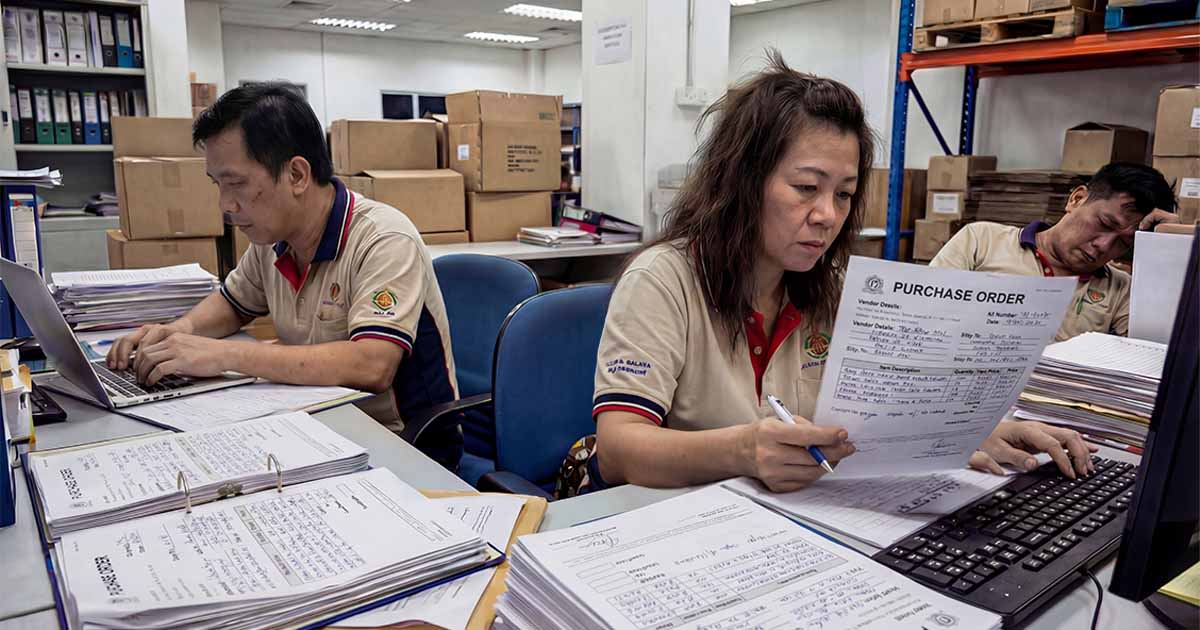
In FMCG distribution, revenue alone does not guarantee a healthy business. A company may push stock into the market, record strong sales orders, and even celebrate hitting monthly targets, yet still face serious pressure behind the scenes because of poor payment collection process & follow up. This is one of the most common but underestimated operational risks in FMCG General Trade, especially when sales teams are handling many retail outlets across wide territories.
The problem is not simply that customers pay late. The more dangerous issue is that many businesses still manage customer collection through memory, manual follow-up, WhatsApp messages, paper notes, and delayed reporting. Many FMCG Brands Owner pain-point materials note that their salesmen often struggle to see the latest customer aging and outstanding amount, while the manual paperwork processes make field information harder to manage accurately and quickly. When this happens, owners and managers lose clear visibility over which outlet has paid, which invoice is still outstanding, and whether the salesman truly followed up at the right time.
Collection issues are especially harmful in FMCG because the business depends on speed, consistency, and field discipline. In General Trade, a salesman may visit many outlets in one day, take new orders, check stock, discuss promotions, and at the same time be expected to collect payment for previous invoices. Without a proper process, this workflow becomes vulnerable to delay, confusion, and human error.
Just one of the beverage sector as an example. A distributor supplying bottled drinks, canned coffee, or isotonic beverages to mini markets, super mart, and neighborhood grocers may have hundreds of active outlets to manage. The salesman is not only responsible for pushing new sales, but also for collecting cash or cheques from previous deliveries. If a collection is not recorded immediately, or if a payment is not linked correctly to the right invoice, management may believe the outlet is overdue while the salesman assumes the issue has already been settled. Over time, these small gaps create major blind spots in cash flow.
This is why collection is not just a finance issue. It quickly becomes a sales execution issue, a reporting update issue, and eventually a company growth issue. DATANORY’s FMCG challenge materials describe how manual compilation of reports and spreadsheets reduce visibility, slow decision-making, and weaken SOP compliance and traceability across field operations.
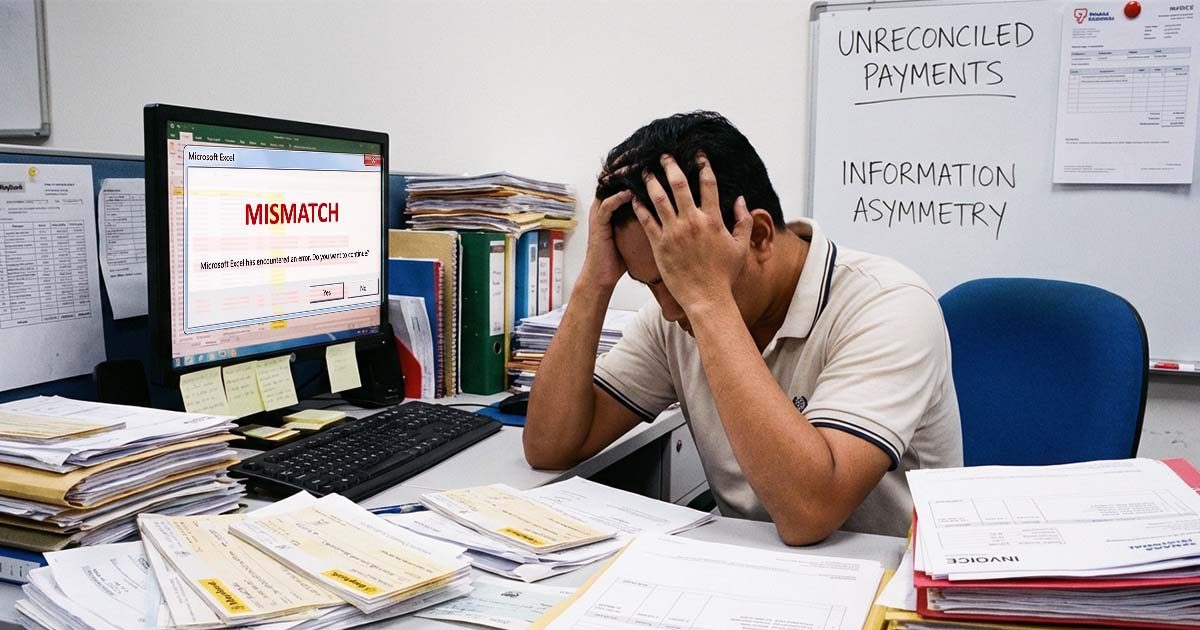
Many FMCG businesses try to solve collection issues by asking employees to be more disciplined. That sounds reasonable, but it is only part of the answer. Responsibility matters, yet responsibility without a strong process to govern is fragile.
When a salesman forgets to follow up, delays recording a cheque, or fails to update payment details against the correct invoice, the business is left with uncertainty. Finance teams spend extra time reconciling incomplete information. Managers waste time chasing status updates. Owners may think the company is growing well because sales orders are increasing, but the actual cash is still sitting outside the business.
This is where Salesforce Automation becomes critical. A proper SFA platform does not simply digitize reporting. It creates a more structured operating flow where collection, outlet visit activity, invoice matching, task follow-up, and management review are connected in one process. DATANORY SFA solutions scope includes Collection, Call Card, To-Do List, approval flow, and report visibility, which shows that it is designed to improve not only field execution but also management control and traceability.
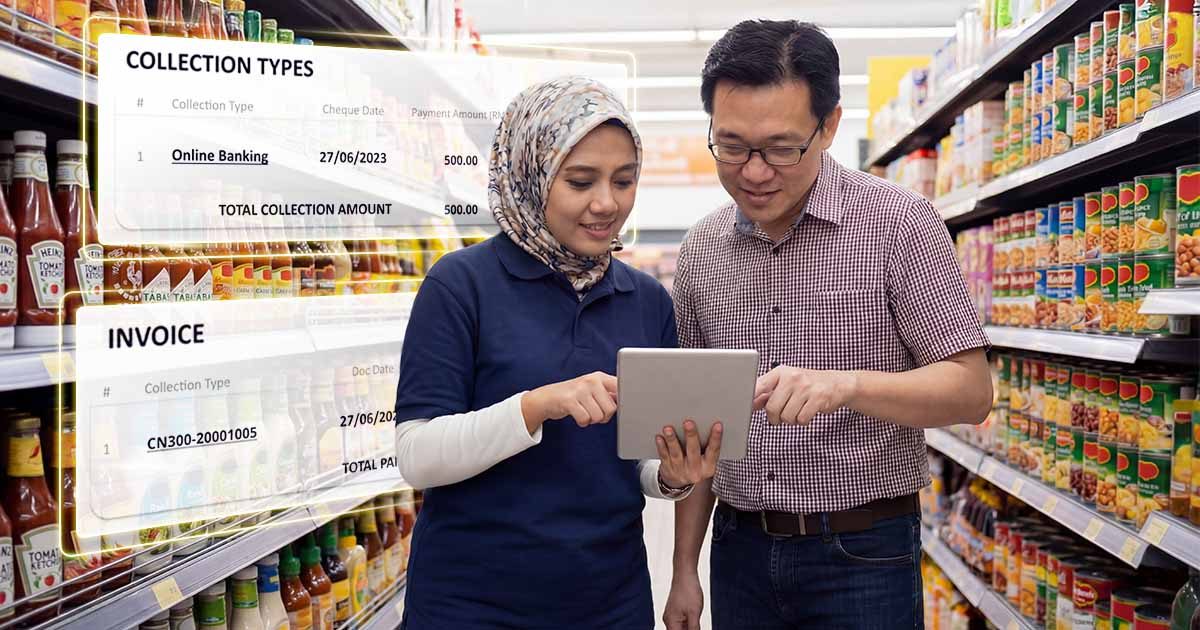
DATANORY SFA helps by turning collection from a loosely managed activity into a structured digital workflow. In the mobile application, the Collection module allows the salesman to record payment directly during the outlet visit. The user can choose the collection type, select a bank where relevant, enter the collection date, amount, reference, and cheque number, then link the payment to the corresponding invoice or use the Auto Fill Paid Amount function. The system also supports photo upload and receipt preview, which helps create clearer evidence and more complete records at the point of collection.
This matters because it addresses several of the most common field problems at the same time. First, it reduces forgetfulness because the payment can be captured immediately on-site rather than being written down later. Second, it reduces mismatch because the payment can be linked to the proper invoice during the same process. Third, it improves traceability because receipt or photo support creates a more reliable evidence trail for management review.
The Call Card feature adds important operational context. DATANORY SFA describes Call Card as a module where salesmen can enter stock count, facing, available on-hand stock, order quantity, return quantity, and exchange quantity during the visit. This is valuable because collection should not exist in isolation. When management reviews an overdue outlet, it also needs to understand the wider store situation. Was a new order placed? Was a return recorded? Was there fresh stock delivered? A Call Card record helps provide a fuller outlet picture, which supports better accountability.
The To-Do List feature strengthens follow-up discipline. DATANORY SFA Mobile App guide explains that To-Do List allows salesmen to complete ad hoc tasks assigned by admin users. In practice, this means overdue collection no longer needs to be managed through memory or casual reminders. A manager can assign collection follow-up as a defined field task so that the salesman knows exactly which outlet to revisit, which cheque to collect, or which payment status to confirm.
At management level, DATANORY SFA web application adds stronger review control through its Approval Flow Module and Collection Approval Module. The web guide shows that authorized users can review collection data created in the mobile app, including collection ID, collection date, upload date, salesman, customer, amount, reference, type, cheque date, and cheque number. The approval detail page also shows invoice information such as document number, amount, unpaid amount, mobile paid amount, web paid amount, and remarks, along with approval history that records the person responsible, status, action date and time, and remarks. This gives managers and finance teams better control over validation, review, and traceability before collection data is finalized.
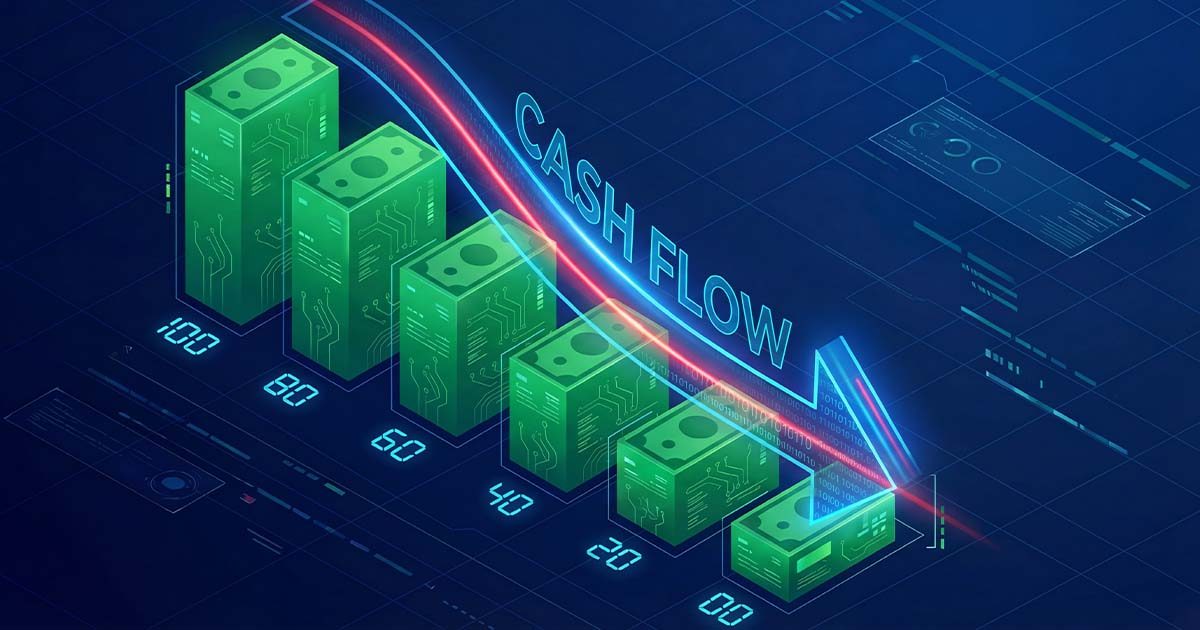
When collection remains loosely managed, the impact goes far beyond a few unpaid invoices. Cash flow becomes tighter and less predictable. Finance teams spend more time cleaning up incomplete records. Managers lose confidence in field reporting. Sales growth becomes harder to trust because revenue and collected cash are no longer moving at the same pace.
For FMCG merchants, this can directly slow expansion. A company may hesitate to onboard more outlets, add more salespeople, or increase market coverage if the back-end process for collection is weak. Poor collection discipline does not only create today’s operational stress. It can also prevent tomorrow’s growth decisions. DATANORY’s challenge materials reinforce that outdated data, manual reporting, and lack of traceability make quick and confident management decisions much harder.
A strong FMCG business needs both capable employees and a reliable process. Sales person still carry responsibility for following up correctly, recording payment accurately, and completing outlet tasks properly. But it is risky to expect consistent performance at scale without a system that supports them.
This is the real value of bringing together Customer Collection, Salesforce Automation, and FMCG General Trade Solutions in one operational approach. DATANORY SFA helps businesses move collection away from guesswork and toward a more visible, accountable, and structured way of working. When collection is properly recorded, linked, assigned, reviewed, and reported, the business gains more than cleaner data. It gains stronger cash flow, better field control, and a healthier foundation for long-term growth.
In FMCG, sales without collection discipline can create a dangerous illusion of success. The business may look busy, but its cash position tells a different story. That is why collection should never be treated as a side task. It must be managed as part of a disciplined sales execution process.
DATANORY SFA helps make that possible by connecting collection entry, invoice matching, outlet activity records, task follow-up, approval flow, and reporting into one operational structure. For FMCG companies in General Trade, this level of visibility is not just useful. It is essential for protecting cash flow and supporting sustainable business growth.
If your FMCG business is still relying on manual follow-up to manage collection, it may be time to improve the process. DATANORY SFA helps you capture collection on-site, assign follow-up tasks, improve invoice visibility, and give management stronger reporting and approval control.
Talk to us today to discover how DATANORY SFA can help your FMCG & Distribution team improve customer collection, protect cash flow, and grow with better field discipline in General Trade.
What is customer collection in FMCG distribution?
Customer collection in FMCG distribution refers to the process of collecting payment from trade customers or retail outlets for previous invoices. This may include cash, cheque, PD cheque, or online banking. DATANORY SFA mobile collection workflow supports these payment types in its SFA process.
Why do FMCG companies face collection problems?
Many FMCG companies still rely on manual follow-up, incomplete field updates, and delayed reporting. DATANORY’s customer pain-point materials note that sales person may struggle to know the latest customer aging and outstanding, while manual processes reduce visibility and slow reporting accuracy.
How does Salesforce Automation Solutions improve customer collection?
Salesforce Automation improves collection by helping field teams record payment on-site, link collection to invoices, upload supporting evidence, assign follow-up tasks, and give managers better approval and reporting visibility. DATANORY SFA mobile and web guides document these workflows in its collection and approval modules.
How does DATANORY SFA help FMCG General Trade businesses?
DATANORY SFA helps FMCG General Trade businesses by combining collection recording, outlet visit context, task follow-up, reporting, and approval flow into one digital process. This improves accountability, traceability, and management visibility across field operations.
End of Content.

Get The Latest Updates
Social Media
Expand your business with personalised automation.
Every business has its own culture, procedure, and processes; there is no one-size-fits-all software in the market to fit all unique needs and requirements without compromising on results.
By knowing what clients are facing, their challenges, requirements and expectations, we are able to deliver a tailored-fit, customized solution with a higher success rate, shorter adaptation period, and greater flexibility.
MC Crenergy has the experience and expertise to customize technology that empowers client’s operations. A customized solution that fits client’s needs perfectly, reducing friction and resistance, while promoting greater success in adaptation & business performance.